If you have ever wanted to fly in space, NASA has a form for you. The agency has opened applications for its next class of astronauts, and US citizens have until 11:59 p.m. Eastern on Thursday, December 3, to submit them. NASA expects to make its final selections in late 2027, when the new group would begin training.
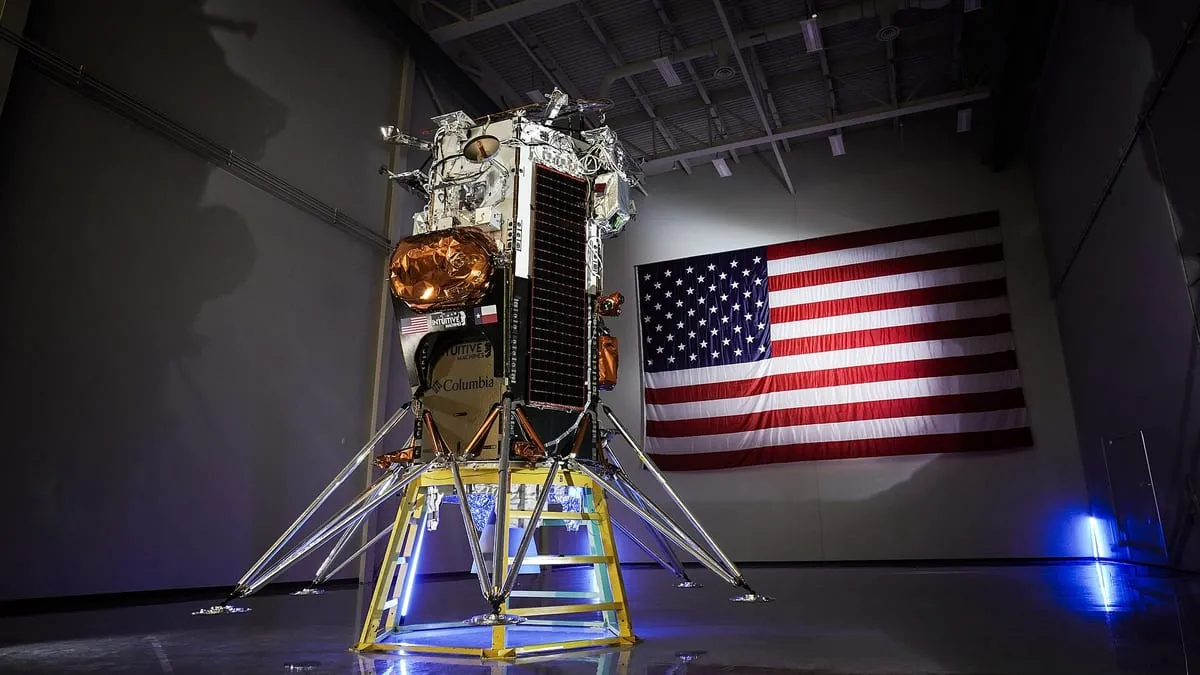
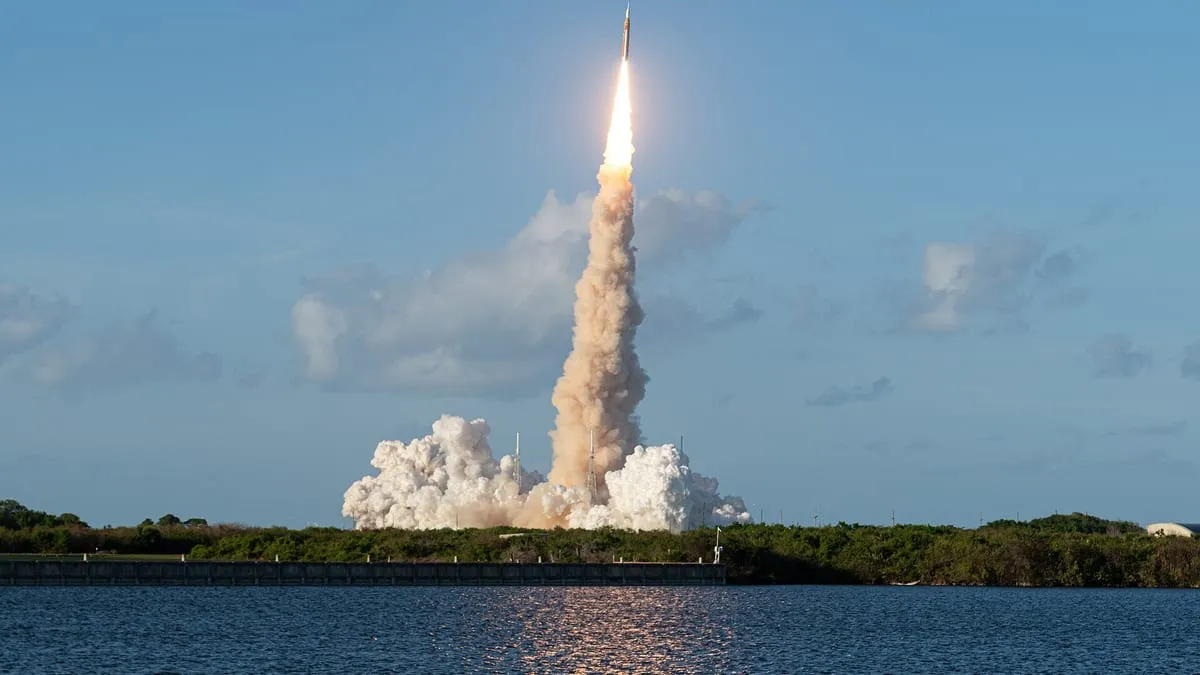
The timing reflects the agency’s growing ambitions on the Moon. “This is an extraordinary time to join NASA’s astronaut corps,” Administrator Jared Isaacman said. NASA is planning crewed missions near the lunar South Pole, a permanent base there and early preparations for the first human trips to Mars.
The basic requirements
You do not have to be a test pilot, and that surprises many people. The core requirements are:
- US citizenship.
- A master’s degree in a science, technology, engineering or math field from an accredited school. That covers engineering, biological and physical sciences and computer science.
- Three or more years of relevant work once that degree is finished.
- The ability to pass NASA’s long-duration flight physical.
- Strong leadership, teamwork and communication skills.
Other routes in
NASA also accepts several alternatives to the master’s degree:
- Two or more years completed in a STEM doctoral program.
- A medical degree, including MD, DO, physician assistant, doctor of nursing practice or family nurse practitioner credentials.
- Graduation from a recognized test pilot school, or enrollment in one, so long as the course ends by July 2027. People relying on this route as their only advanced degree also need a STEM bachelor’s.
Pilots can replace the experience requirement with flight time. That means 750 hours as pilot in command of high-performance jets, 1,500 total hours in other fixed-wing aircraft with 750 of them as pilot in command, or 1,000 total hours in helicopters with 300 of them as pilot in command. Doctors can count residency training if completed by July 2027.
NASA has posted the full details at go.nasa.gov/astro2026.
The odds
They are daunting. NASA last accepted applications in 2024 and received more than 8,000, and it named just 10 candidates in September 2025. That works out to something like one successful applicant for every 800 who tried. Since the 1960s, NASA has picked only 370 people as astronaut candidates. Today there are 32 active astronauts in the corps.
Making the shortlist does not end the process either. Finalists go through interviews, medical screening and team exercises before the agency makes its choices.
What the job looks like now
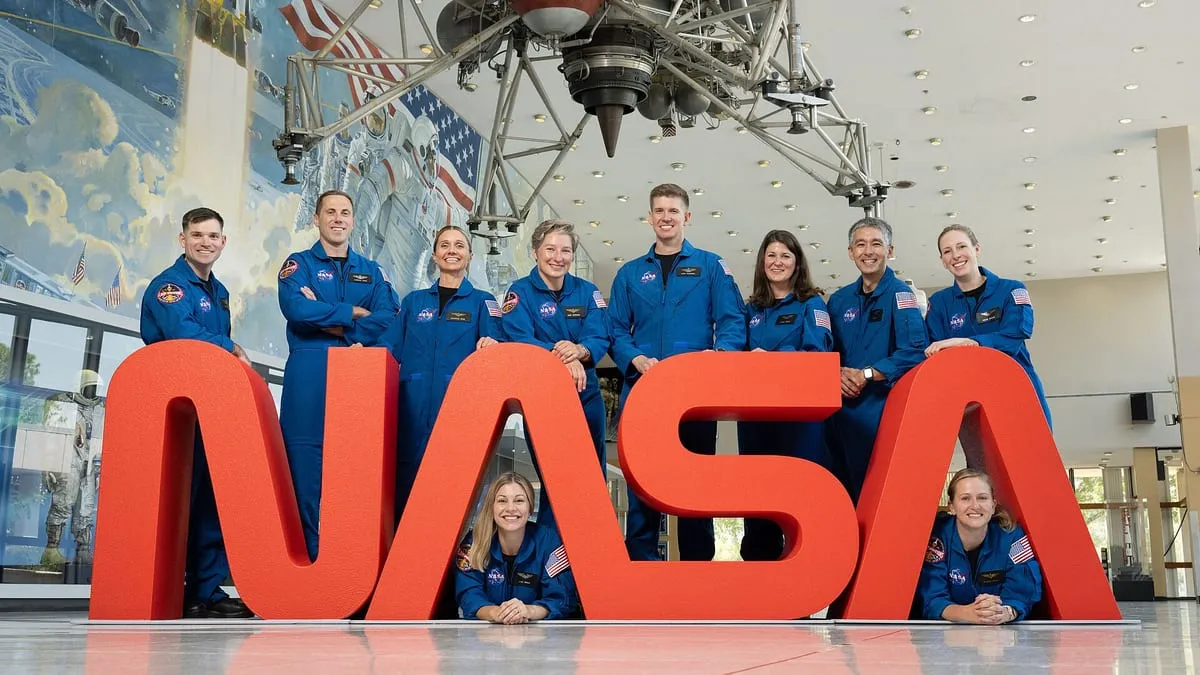
People selected are called astronaut candidates, not astronauts, until they finish about two years of basic training. The newest group, the class of 2025, is still working through it now. Trainees learn spacewalking in a giant pool, spacecraft and space station systems, robotics, survival skills and how to fly high-performance aircraft. This time, lunar geology is high on the syllabus as well, because future crews will be expected to work as field scientists on the Moon.
Graduation does not guarantee a flight, and even those who fly can wait years for an assignment. Astronauts also spend long stretches on Earth, supporting missions from the ground, testing equipment and doing public outreach.
Scott Tingle, NASA’s chief astronaut and chair of the selection board, described the job as a chance to follow earlier generations of explorers. NASA Deputy Administrator Matt Anderson put it more briefly: “The window is open. The mission is waiting.”
Should you apply?
If you meet the requirements, there is little to lose beyond the time spent on the application. Past astronauts have often said they applied more than once, and several were turned down in earlier rounds. A rejection does not bar you from applying again. Those who do not qualify today can use the published rules as a road map: pick up flight hours, a graduate degree or field experience in a demanding, team-based setting.
With less than four weeks left, anyone serious about it should start gathering transcripts and work history now.