Prices kept climbing faster than hoped in October. The Consumer Price Index, the government’s main measure of what households pay for goods and services, rose 0.4% from September, the Labor Department reported on Tuesday, November 10. Economists surveyed by FactSet had expected 0.3%.
That was slower than September’s 0.6% jump. But the details worry economists more than the headline does, because the increase came from everyday costs rather than gasoline.
What drove October’s increase
| Category | Change in October | Change in September |
|---|---|---|
| All items | +0.4% | +0.6% |
| Core (excluding food and energy) | +0.3% | +0.3% |
| Food | +0.5% | 0.0% |
| Energy | +0.7% | +5.2% |
| Shelter (rent and housing costs) | +0.3% | — |
- Housing was the biggest single driver. The Labor Department said shelter alone made up over 30% of October’s total rise.
- Food picked up after a flat September, rising 0.5% in a single month.
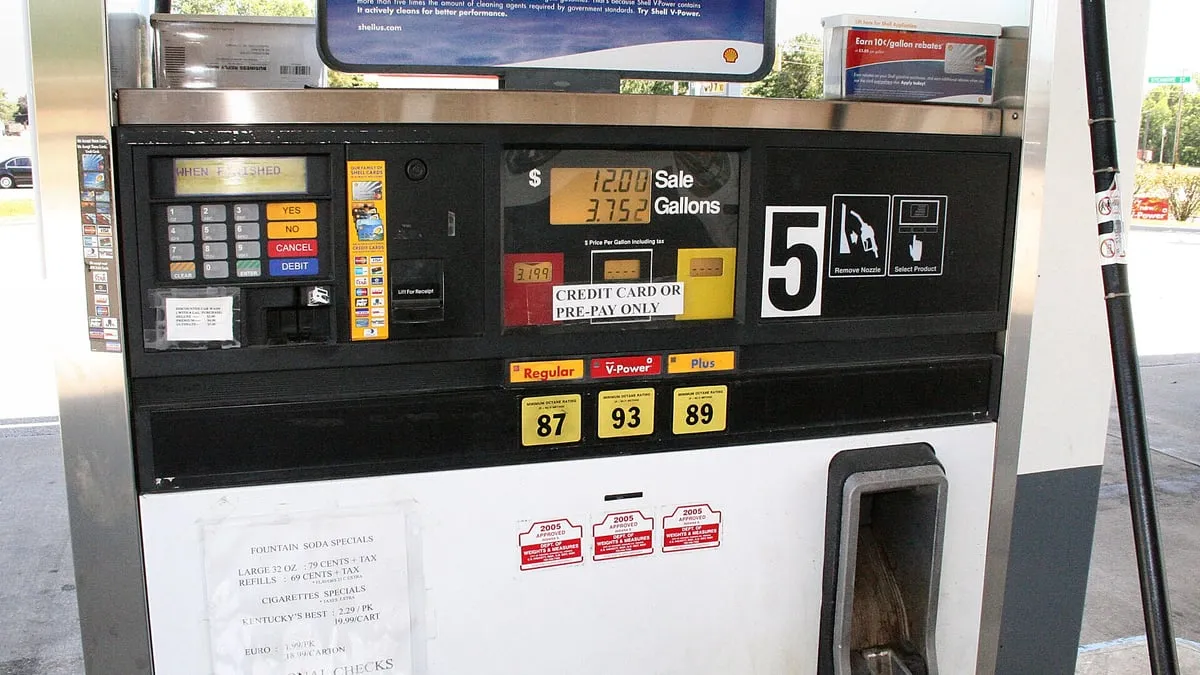
- Energy added far less than before. Fuel prices surged earlier in the fall because of the war with Iran, but gas has been falling for weeks. On the same day as the report, AAA’s national average for regular gas slipped below $4 a gallon for the first time since July.
Core inflation, which leaves out volatile food and energy prices, has now climbed 0.3% three months running. Economists watch it closely because it shows whether higher costs are spreading through the economy. Vanguard said energy prices are feeding into other costs for longer than expected and raised its forecast for core inflation at the end of 2026 to 3.2%.
Why there’s no yearly number this time
Normally the report’s headline figure compares prices with a year earlier. This month, the Labor Department did not publish that comparison. The 2025 government shutdown stopped data collection, so there are no October 2025 prices to compare against.
The monthly number still tells a story. A 0.4% rise, if it continued every month for a year, would add up to roughly 4.9% annual inflation, more than twice the Federal Reserve’s 2% target. One month is not a trend, but three months of steady core increases have made the Fed’s job harder.
A rate hike looks likely in December
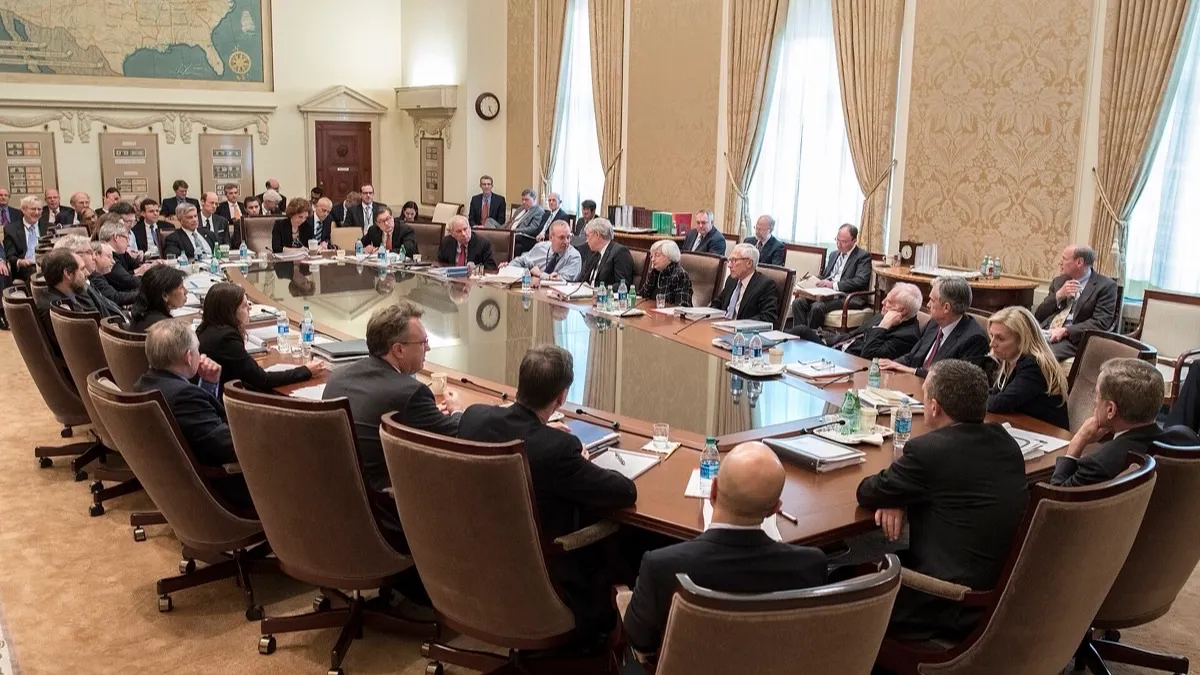
This was the last inflation report the Fed will see before its December 8–9 meeting. After its release, CME Group’s FedWatch tool showed markets pricing in an 85% chance of a quarter-point rate increase and a 15% chance of a half-point move.
“This is the last look at CPI inflation the Fed will get before its December meeting, and it most likely seals the deal on a rate hike to close the year,” James McCann, senior economist at Edward Jones, told CBS News.
The Fed held rates steady in October, though two members of its policy committee voted for an increase. Fed Governor Christopher Waller went further on Monday, saying in London that a half-point hike should be on the table. “Hiking only 25 basis points would put our credibility at risk, a risk I am not eager to take,” he said. For background, see how the Fed sets interest rates.
What a rate hike would mean for you
The Fed’s rate does not set every interest rate directly, but many follow it closely.
- Credit cards. Most card rates are variable and move within a billing cycle or two of a Fed change. A quarter-point increase on a $5,000 balance adds roughly $12.50 a year in interest. Paying down high-rate balances now helps most.
- Savings. High-yield savings accounts and certificates of deposit usually pay more after a hike. If your savings earn close to nothing at a traditional bank, compare rates elsewhere.
- Mortgages. Fixed mortgage rates follow longer-term bond markets more than the Fed, and they often move ahead of the decision. Adjustable-rate mortgages and home equity lines of credit tend to rise soon after.
- Car loans. New loans may cost slightly more. Existing fixed-rate loans don’t change.
For a closer look at how the index is built and why your own costs may differ from it, see our guide to how inflation is measured.