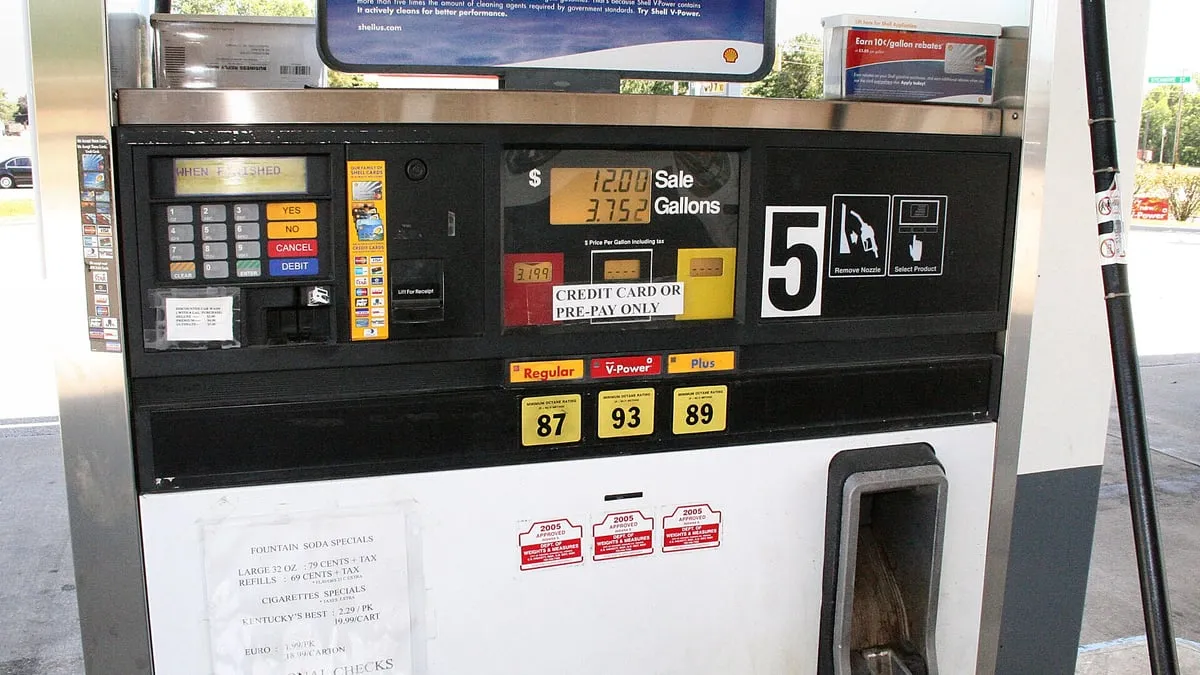
Drivers are finally getting some relief. The national average price for a gallon of regular gasoline was $3.98 on Tuesday, November 10, according to AAA. It is the first time the average has been under $4 since July, and it is well below the peak of about $4.56 earlier this year.
Patrick De Haan, a petroleum analyst at the price-tracking company GasBuddy, told CBS News he expects prices to keep easing into the Thanksgiving holiday, when millions of people drive to see family.
Why prices are falling
Three things are working in drivers’ favor at once.
- Cheaper winter fuel. Federal rules require stations to sell a summer blend of gasoline, made to evaporate less in hot weather, from June 1 to September 15. After that, stations can switch to winter blends, which cost less to make. AAA says this change usually trims 10 to 30 cents a gallon over the winter.
- Less driving. Fewer road trips and vacations in the colder months mean lower demand at the pump.
- Lower oil prices. Crude oil is the biggest single factor in what you pay for gas. Brent, the international benchmark, hit a recent high of $113.43 a barrel on October 30. Prices have since eased on hopes that the U.S. and Iran could reach a deal to end the war.
Where gas costs the most and the least
The government’s own weekly survey shows how much prices vary by region. The figures below come from the U.S. Energy Information Administration for the week of November 2, the most recent available. The EIA measures prices differently from AAA, so its national figure was still above $4 that week.
| Area | Regular gas (Nov. 2) | Change in one week |
|---|---|---|
| U.S. average | $4.15 | down 12 cents |
| California | $5.75 | down 14 cents |
| Washington | $5.10 | down 11 cents |
| New York | $4.22 | down 3 cents |
| Colorado | $4.07 | down 39 cents |
| Florida | $3.79 | down 23 cents |
| Texas | $3.58 | down 5 cents |
The West Coast remains by far the most expensive region, at about $5.30 a gallon. The Gulf Coast, home to much of the country’s refining capacity, is the cheapest at about $3.64.
Still much higher than last year
Even with the drop, gas is far more expensive than it was a year ago. The EIA’s national average for the week of November 2 was about $1.13 a gallon higher than at the same point in 2025. For a driver who fills a 15-gallon tank once a week, that difference adds up to roughly $17 a week, or close to $900 over a year.
That is why the recent decline matters for household budgets, especially for people who drive long distances to work.
What could change the trend
Prices can move quickly in either direction. The main things to watch:
- Talks to end the war with Iran. Progress toward a deal has helped push oil lower. A setback could send it back up.
- Refinery problems. An unexpected outage, particularly on the West Coast, can raise local prices within days.
- Winter weather. Severe storms can disrupt fuel deliveries and temporarily lift prices in affected areas.
How to pay less right now
- Compare before you fill up. Prices can differ by 20 cents or more within a few miles. Free apps such as GasBuddy, and the maps in many navigation apps, show prices at nearby stations.
- Check warehouse clubs and grocery programs. Many offer lower prices or discounts for members.
- Buy regular unless your car needs premium. Your owner’s manual says whether premium is required or only recommended. If it is only recommended, regular is usually fine.
- Pay attention to cash and card prices. Some stations charge more per gallon for credit cards, so look at the posted prices before you pay.
- Drive smoothly. Hard acceleration and high speeds burn noticeably more fuel. Keeping tires properly inflated also helps.
If you are planning a Thanksgiving road trip, filling up before the busiest travel days, and away from highway exits, may save a few dollars.